Recreating a Little Ainjar in Armenia
In Armenia, Shant has rebuilt about 2% of the village he grew up in. The rest he carries with him.
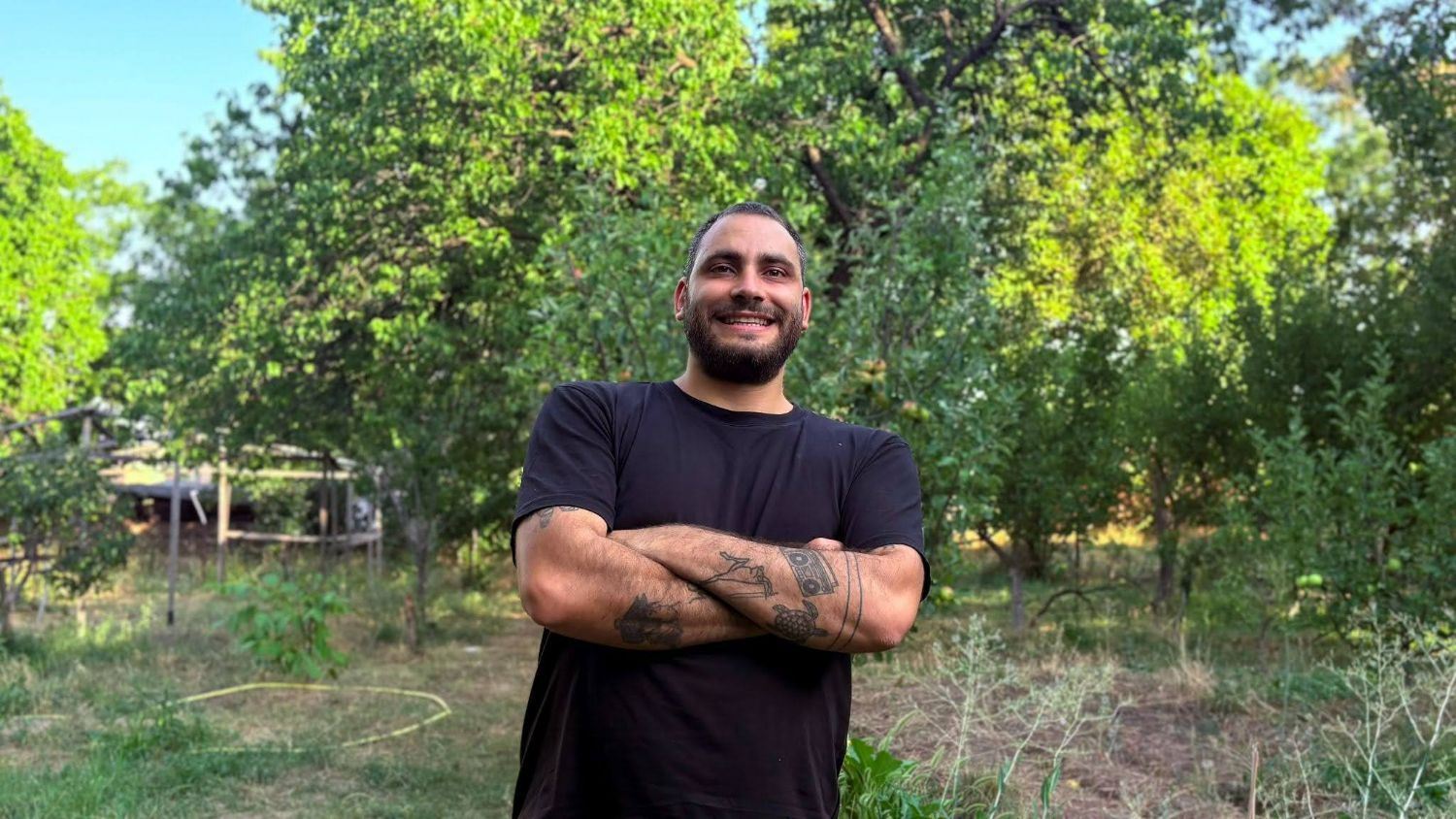
There’s a berry tree in Ainjar, Lebanon, that Shant Doudaklian can still take you to.
It stands behind a house across from his childhood home, in a spot that once felt like the entire world. He remembers climbing its branches, picking berries, and spending hours with the children next door. Their neighbors had a pool, and the children would gather there, playing and finding ways to fill the long days of childhood. The backyard was green, full of plants and tomatoes, the kind of place where there was always something growing.
Today, that little corner of Ainjar looks different. There is a swing for children where he once climbed the tree.
But Shant remembers it as it was. And if he could take someone back to Ainjar for just a moment, that is where he would begin.
Not at a famous landmark.
Not at the church or the village square.
He would take you to that backyard, to the berry tree, to the place that might seem ordinary to anyone else.
But homes are often made of ordinary things.
The places where we played,
The people who lived next door,
The familiar corners we never thought we could miss.
Shant moved to Armenia in August 2017.
Nearly a decade later, he has built a life here.
He has a home, a garden, a backyard, and familiar routines.
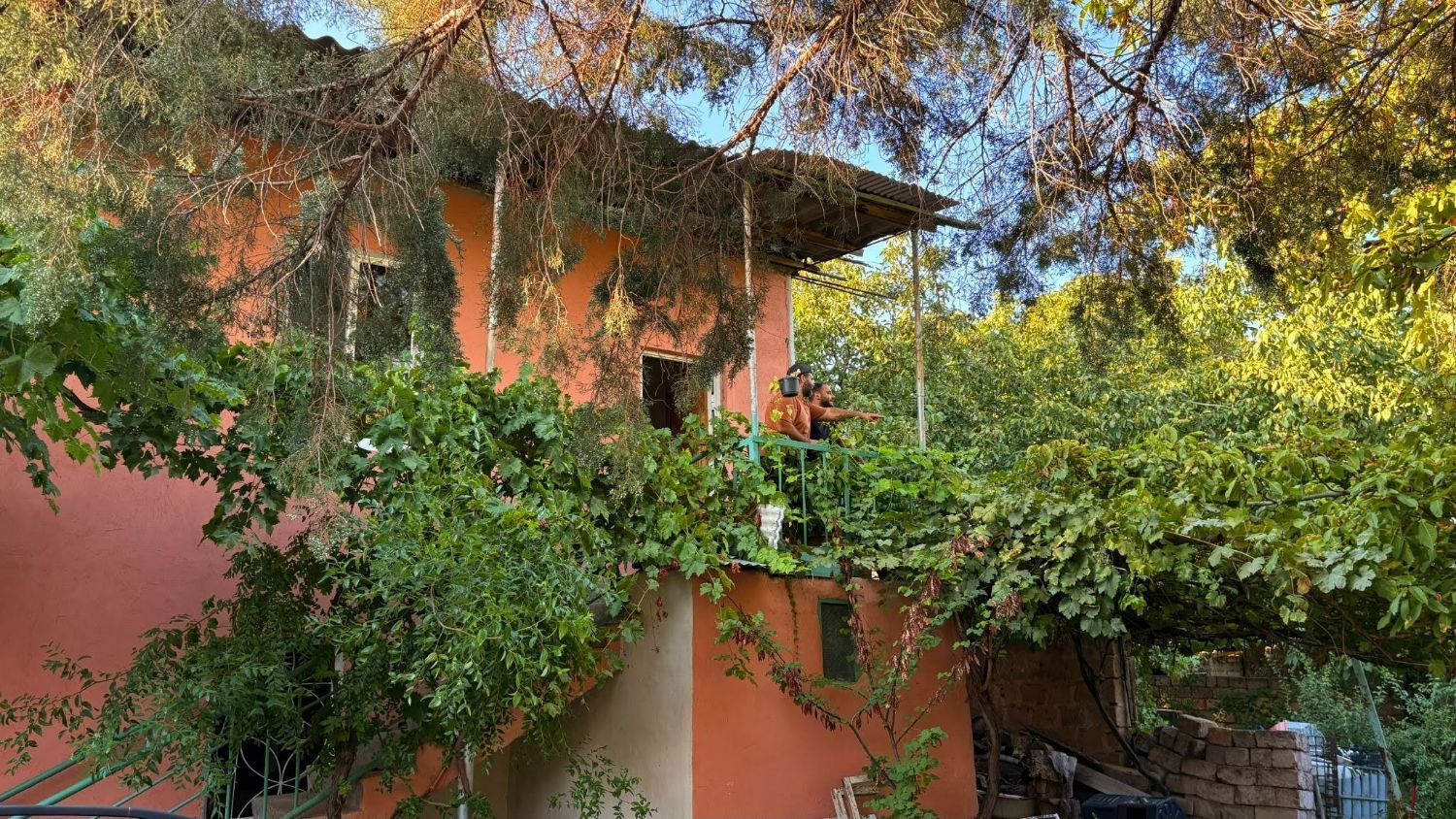
Yet when asked where home is, his answer is not quite what one would expect.
Shant Doudaklian“My home is me. Wherever I go, I take it with me and care for it.”
He calls it his imaginary home.
Wherever he has lived, he has collected elements of what home means to him, carrying them along as he moves through life.
And yet, in Armenia, he has managed to recreate only about 2% of the Ainjar he remembers.
And that small percentage says a lot.
When Shant’s family began a new life in Armenia, he was not entirely sure what to expect. Before arriving, he had heard plenty of negative stories about the country. People had spoken about the locals, about being taken advantage of, about the difficulties of settling in. Those stories shaped his impression before he had even experienced the place himself.
So when his father suggested moving to Armenia, Shant agreed to give it a try. It was not necessarily a decision he had been waiting to make. It was a new experience, a chance to start somewhere else.
But he arrived with a question.
Why should there be such a difference between him, an Armenian from Lebanon, and Armenians living in Armenia?
Why did people who shared the same Armenian identity sometimes seem so far apart?
He had grown up in Lebanese-Armenian culture.
Armenia, he would discover, had been shaped by a different history and a different, Soviet-influenced culture. The differences were difficult to understand at first, but rather than keeping him at a distance, they became part of what pushed him to adapt.
Eventually, his family found a house that reminded him of Ainjar.
It has a backyard, trees, and space to plant.
There are walnuts to pick, small rituals that brought back something familiar.
It was a connection to a life he had known before.
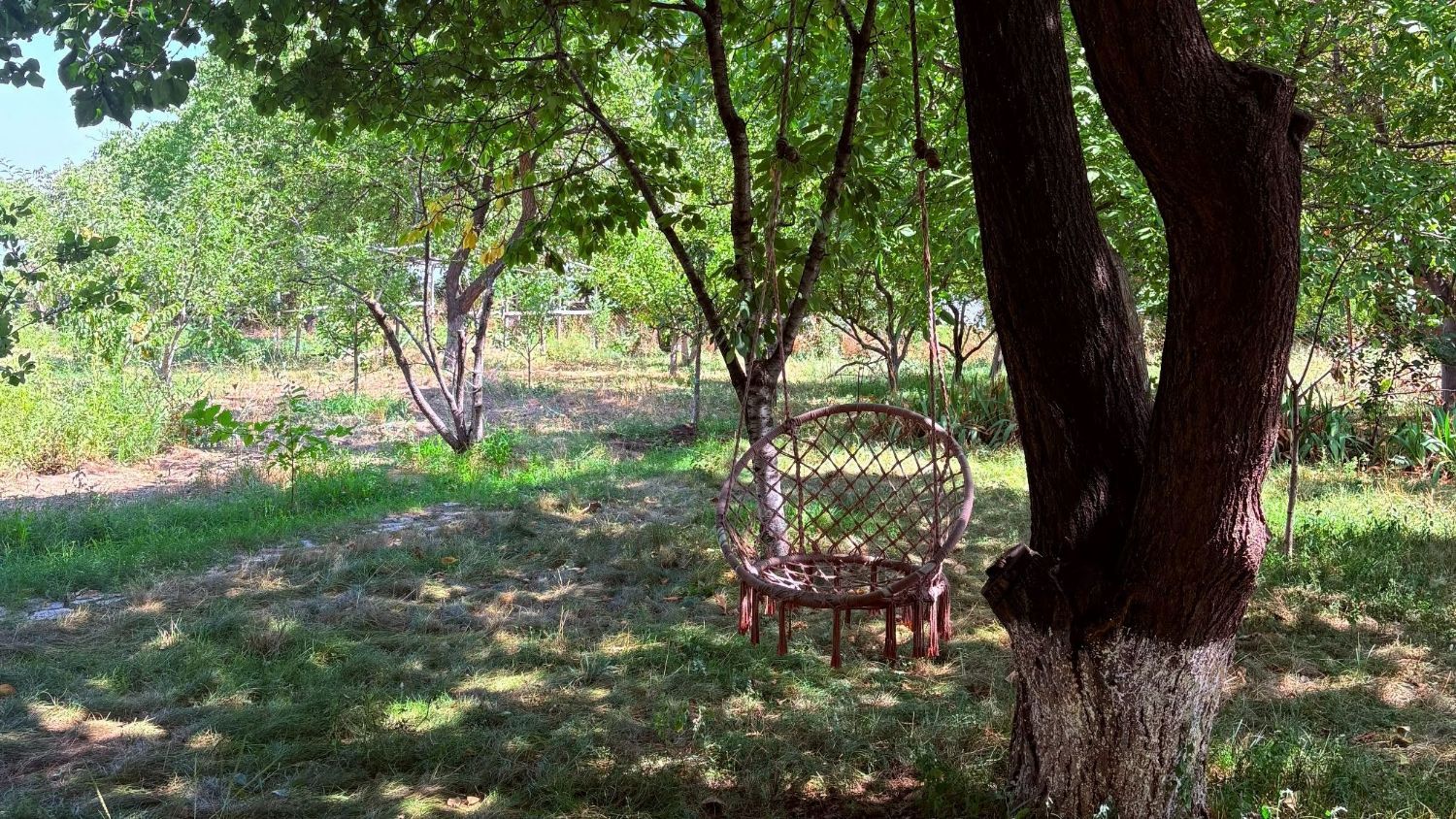
In Ainjar, however, planting was never limited to a backyard.
Agriculture meant acres of land, mountainsides, and a much closer relationship with nature.
There was room to grow, to work the land, and to spend entire days outside.
In Armenia, he has recreated a smaller, more modern version of that life.
A little garden, a few trees…
The satisfaction of picking something that has grown at home.
2%, he says… The rest is harder to explain…
It is the air in Ainjar. The agriculture.
The people, the food, the sense of safety.
The mountain, the lakes, the rivers, the gardens.
It is the feeling of being able to leave your door open because everyone knows everyone.
It is a way of life that cannot simply be transplanted into a new house.
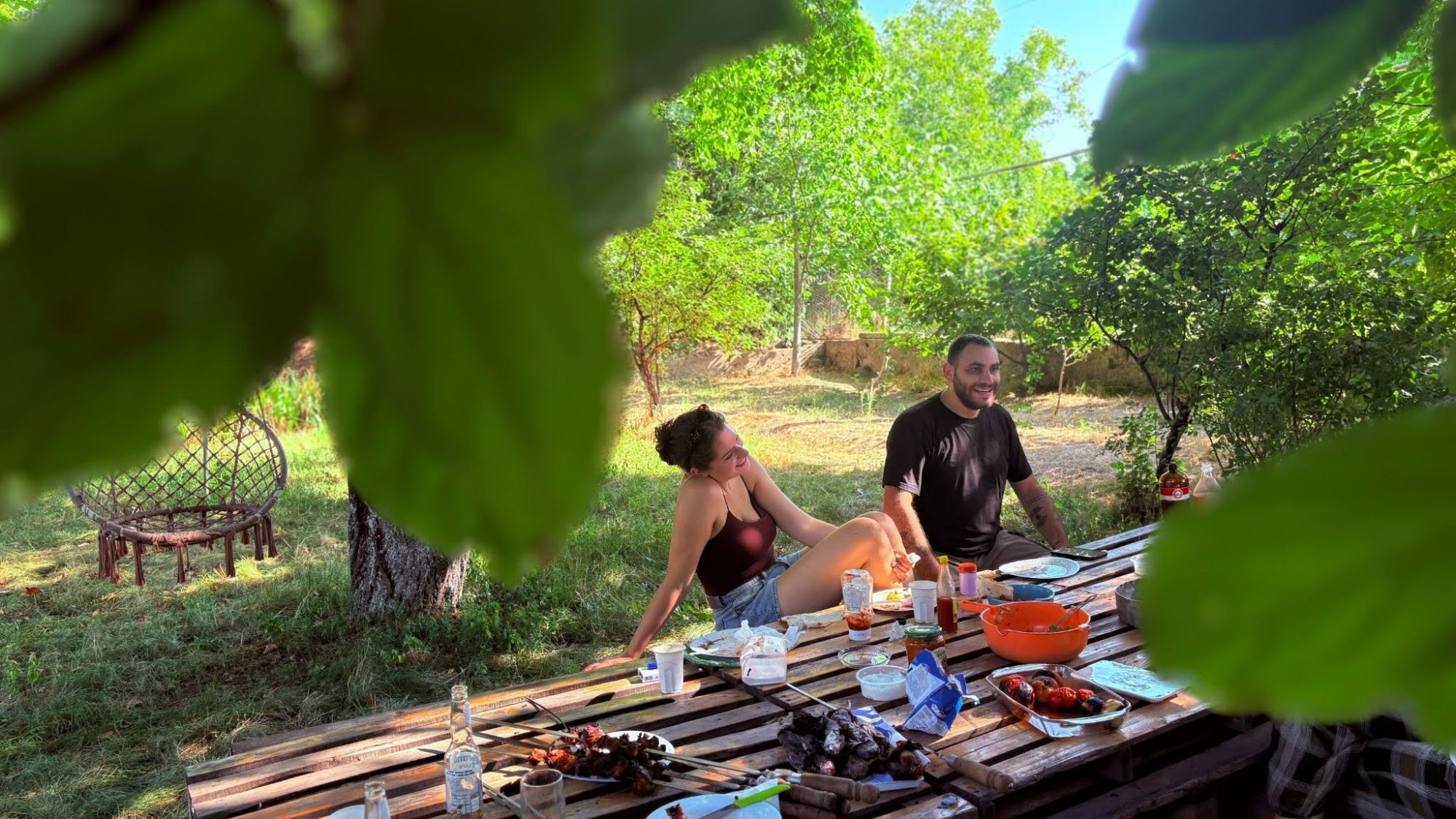
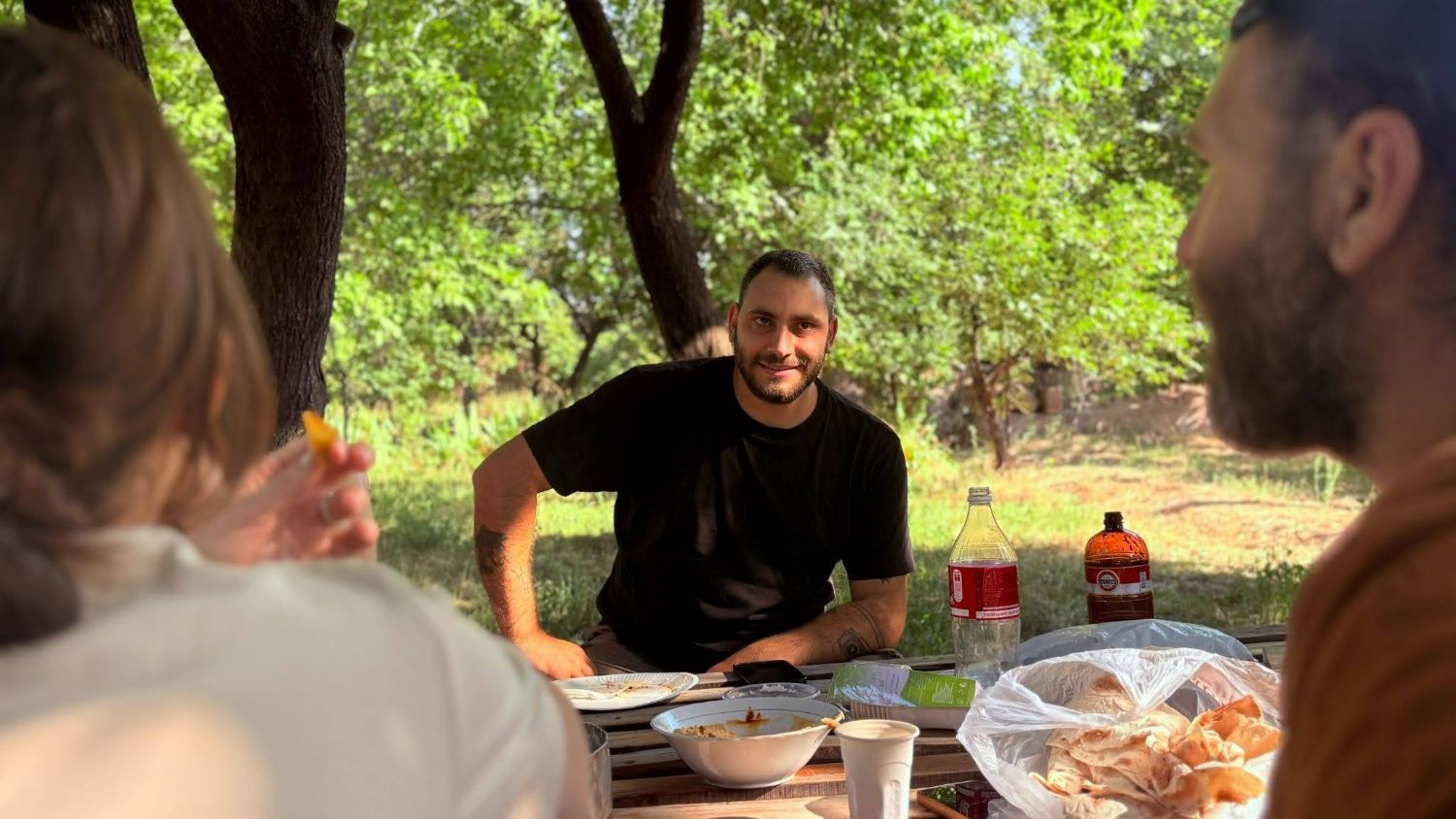
He can plant trees in his new house in Armenia.
He can pick walnuts from his garden.
He can make familiar things part of his daily routine.
But he cannot recreate the exact landscape in which those memories were made, or the community that gave those everyday moments their meaning.
Ask Shant to describe Ainjar in one word, and he will say: the mountain.
The Ainjar mountain is visible before you even enter the village.
Wherever you go, it remains in view.
It is a landmark, a familiar presence, and a part of the village’s identity.
For generations, it was also a resource.
His ancestors would go there to collect wood, relying on the mountain for what they needed to live.
By the time Shant was born, he remembers, the mountain had already become dry.
But its place in his imagination never disappeared.
Ainjar has its own language of senses, too.
It smells like pine trees.
It sounds like crickets chirping.
It tastes like homemade food.
There is even a particular cricket whose sound begins early May.
For Shant, that sound signals a change in the weather.
The warmer season is arriving.
Summer is getting closer.
These are the details that make a place feel like home long after someone has left it.
Not just its name on a map, but the smell of its trees, the sound that announces a new season, the taste of food prepared in a familiar way.
In Beirut, he says, time moves quickly.
Summer comes, and soon enough, everyone is heading to the beach.
Ainjar feels different.
Time moves more slowly there.
There is space to notice the seasons, to spend time outside, to let a day unfold without constantly rushing toward the next thing.
It is a rhythm he misses.
If Shant could relive one memory from Ainjar, he would return to boarding school.
He spent much of his childhood there.
During the summers, he helped his father with agricultural work and enjoyed vacations by the beach.
But the boarding school was where he learned how to be himself.
It was where he grew up, where he formed friendships, and where the everyday experience of living alongside his friends shaped the person he became.
He wants to live just one more day there.
To wake up in the same place, be surrounded by the same people, and return to the small routines they shared.
To sit with those friends again and remember what it felt like to live together, day after day.
“All my life lessons were learned from the boarding school.
I am who I am because of that.”
The lessons were not always gentle.
There were rules for everything: how to behave, when to pray, what to eat, what to do, and how to do it.
There were protocols and expectations.
You did not always get to choose.
“Thinking for yourself and doing things your own way were not always options…”
Life today is different.
Now, if he does not want to do something, he simply does not do it.
Choice is one of the biggest differences he notices between the life he had then and the one he has now.
Still, he does not look back with regret.
He is proud of what he experienced, including the difficult parts.
He believes he carries knowledge that many people today may never have the chance to learn.
The boarding school gave him more than memories.
It gave him a foundation.
And even though that chapter of his life belongs to a place he no longer lives in, it remains part of the person he is.
Perhaps that is another way of carrying home:
Keeping the lessons, friendships, and experiences of a place alive long after leaving it.
“Ainjar is different from other places in Lebanon.
Its relationship with nature, its agriculture, and the way people live together give it a distinct character.”
In Lebanon, Shant’s life was closely tied to the outdoors.
He was involved in agriculture and worked as a hiking guide, taking people into the mountains and helping them experience the landscape.
He could teach, guide, share what he knew, and introduce others to a place he loved.
Shant Doudaklian“I left a piece of myself there.
It is not because I was born and raised in the village, but because I had a role.
I contributed to it. My energy is part of it.”
In Armenia, he has not found that same feeling yet.
“Here, it’s home-work-home-work.”
Maybe he will find his way back to that kind of life eventually.
He believes it is possible.
But he has not yet found the formula, the right opportunities, or the way to become as involved in nature and the community as he once was.
It is not that Armenia cannot offer those things.
It is that the connection he had with Ainjar was built over a lifetime.
It came naturally, without him having to think twice about doing the things he loved.
One of the things Shant misses most about Ainjar is its sense of community.
There are similarities between Ainjar and Yerevan.
In both places, people know one another, and there is an understanding that neighbors should help each other.
But he feels the difference in how that responsibility is lived.
In Ainjar, looking after one another was not simply a good thing to do.
It was expected.
“Everyone is responsible for everyone else, and everyone belonged to the responsibility of the community.”
It meant protection.
It meant safety.
It meant knowing that someone would notice if you needed help.
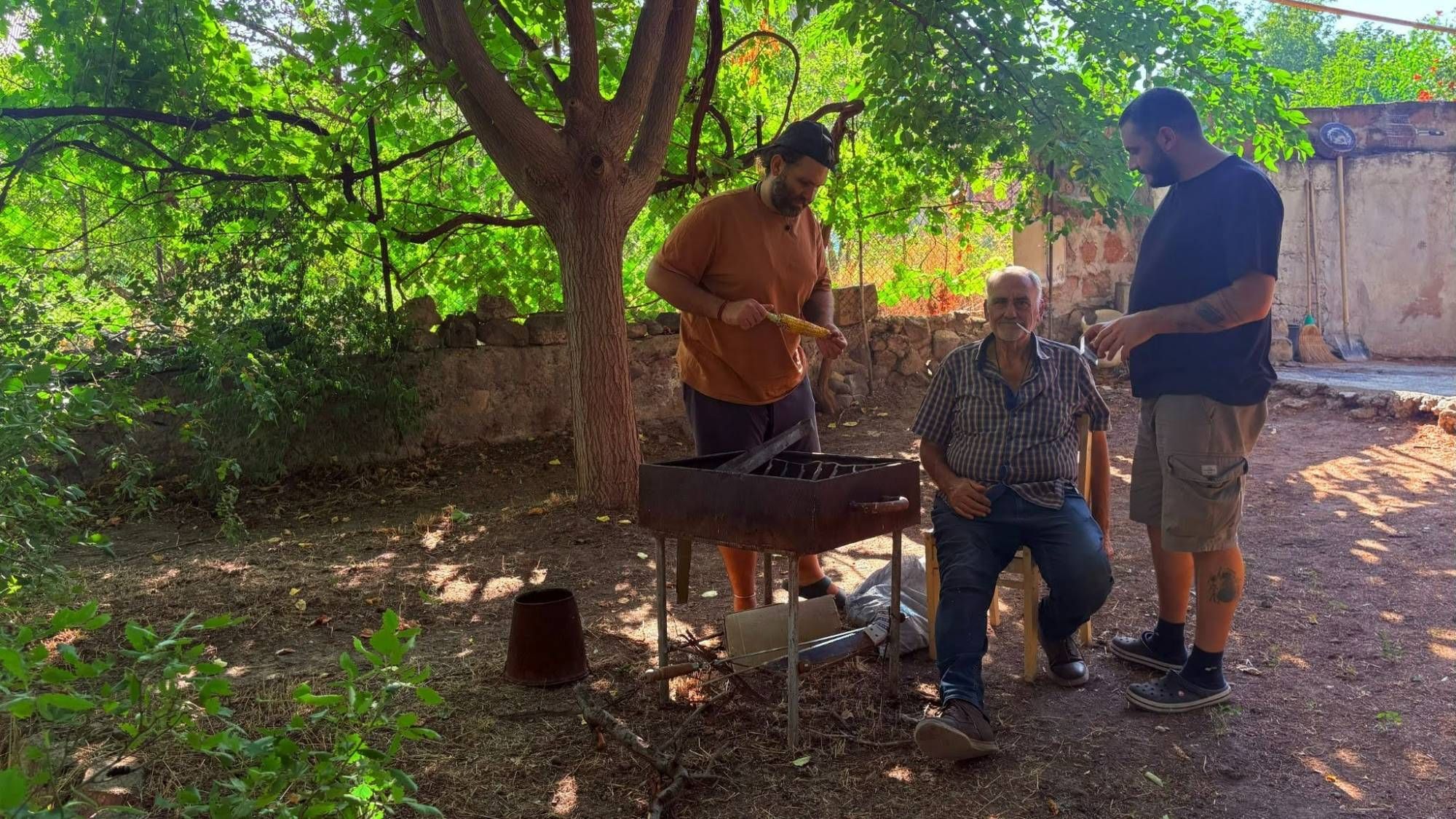
It was also built around shared institutions and familiar spaces:
The people, the schools, the churches.
“Life was more comfortable…
You could leave the front door open because you knew the people around you.”
And that, too, is part of the 2% that cannot be recreated by planting a garden.
If Shant returned to Ainjar today, would he feel like a stranger?
“No, I would feel at home. Fully.”
He might be unfamiliar to the younger generation.
The village has changed, the children growing up there now have their own memories, their own routines, their own version of Ainjar.
But the people who are still there would know him.
They would welcome him with open arms.
And that, for Shant, would be enough.
When asked what he would say if Ainjar could hear him right now, Shant says…
“I’m coming.”
And if Ainjar could answer?
“Come home.”
Maybe that is the part of home that cannot be reduced to 2%.
Not the trees he can plant, the walnuts he can pick, or the familiar corners he can recreate in Armenia.
It is the knowledge that somewhere, a place still remembers you.
Shant says his home is himself.
He takes it wherever he goes, collecting pieces of every place he has lived and carrying them into the next chapter.
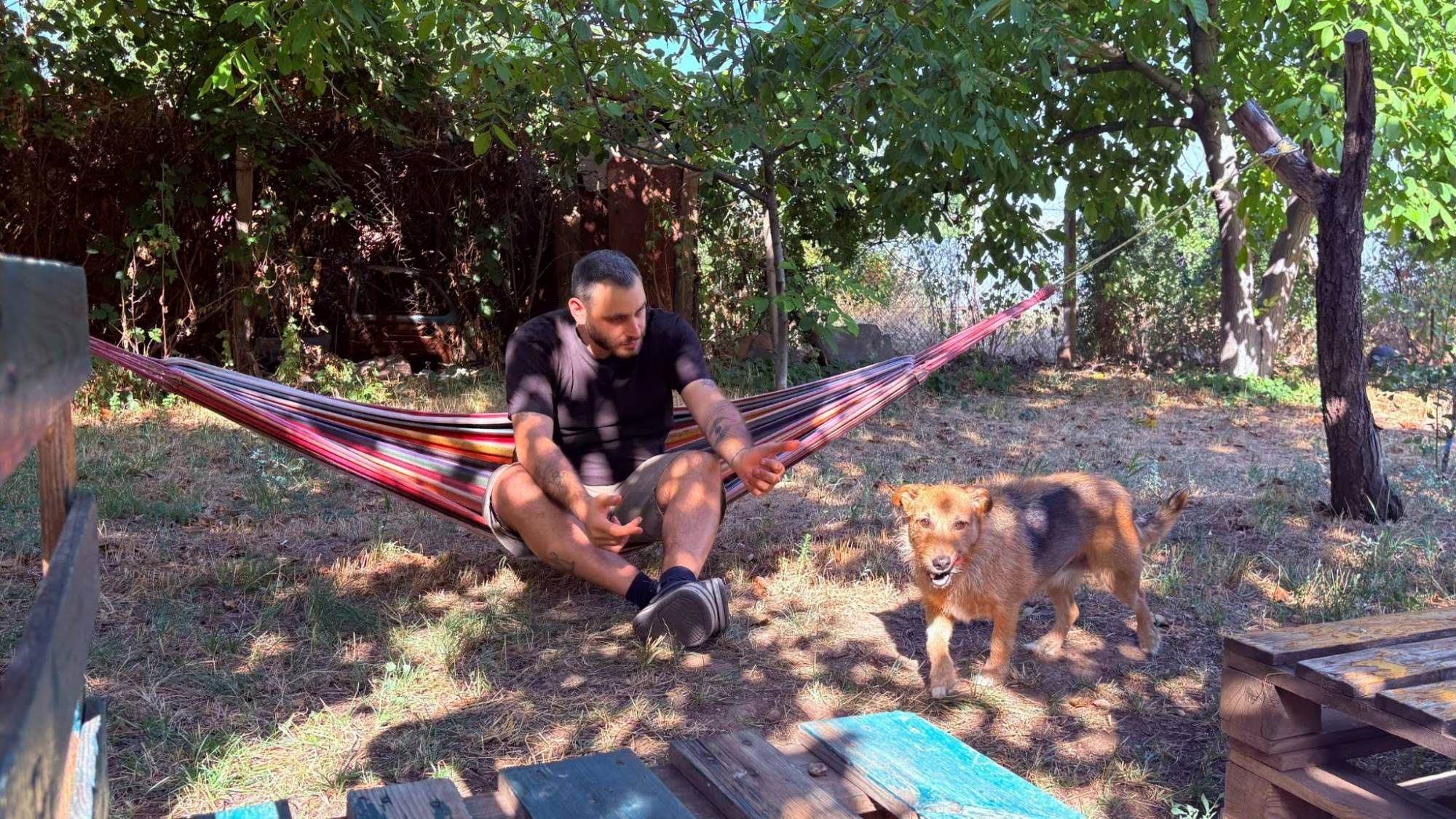
But somewhere inside that imagined home, there is still a mountain.
There are pine trees and crickets announcing the arrival of summer.
There is a boarding school full of his friends he grew up with.
A backyard with a berry tree.
And a village where everybody is responsible for everybody.
Shant has made a little Ainjar in Armenia.
But the original is here.
And when it calls him home, he knows exactly what he will say.